PLYWORKS

Plyworks — operating spine for job shops

Your shop already knows what this job should cost. Your software doesn't.

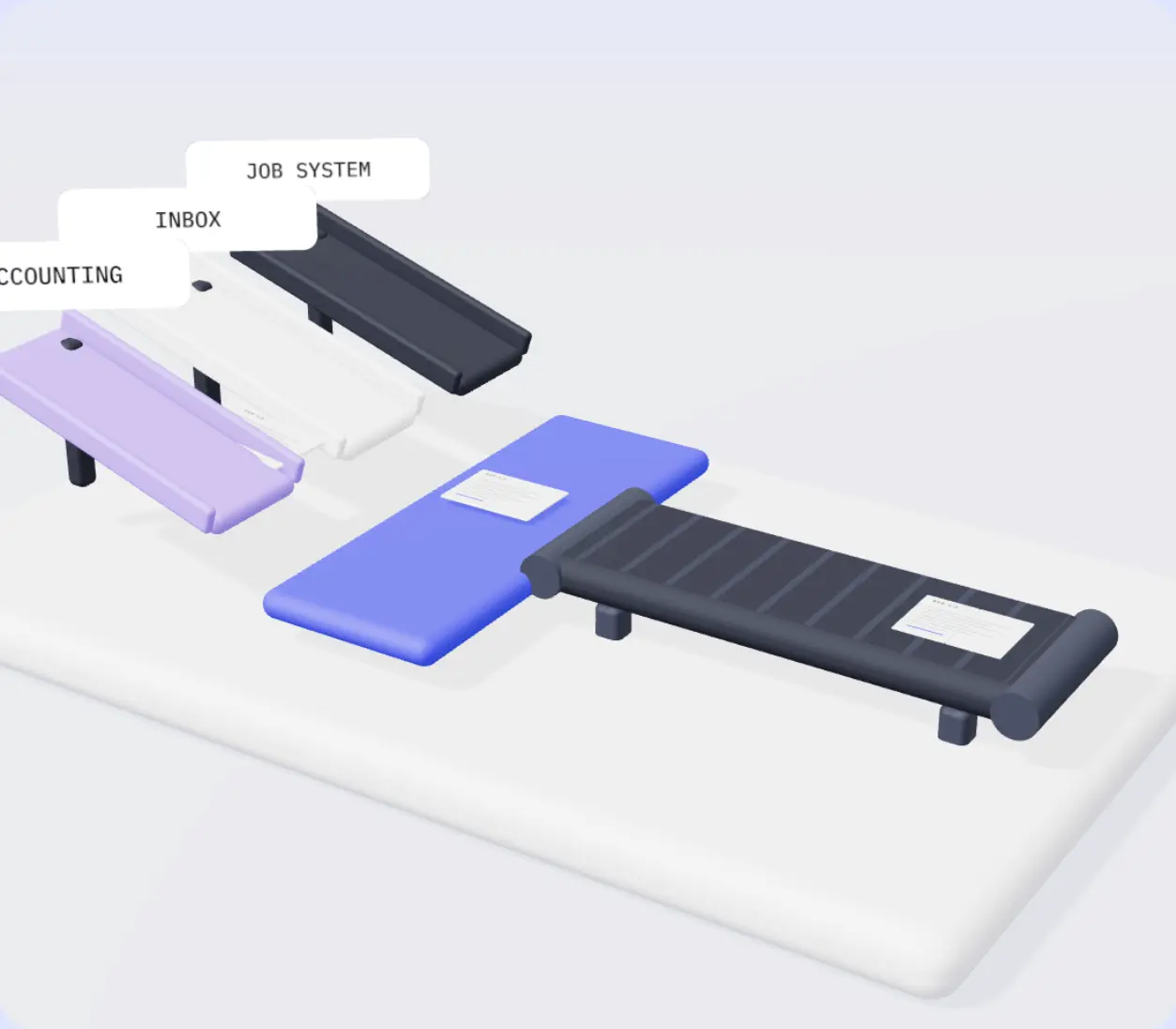
One record — the quote, the ticket, the schedule, the shipment, the cost — carried from RFQ to invoice without retyping. What the floor learns, the next quote knows. (That's what we mean by operating spine.)

Job 2606-0142 →
  1. RFQ
  2. Quote
  3. Ticket
  4. Floor
  5. Ship
  6. Cost ↺

The problem, named

The same job, typed six times.

Every re-key is a place where a number drifts, a date slips, or the knowledge stays in someone's head. Point tools can each help one step — and still leave the quote, the ticket, the schedule, and the actual cost in separate records.

010

The RFQ

sits in an inbox

020

The quote

retyped into a spreadsheet

030

The job ticket

retyped from the quote

040

The schedule

rewritten on a whiteboard

050

The invoice

re-keyed into accounting

060

The actual cost

reconstructed at year-end, if ever

Shops don't lose money because they can't quote. They lose it because every handoff makes another copy of the job — and the copies drift. The quote knows one thing. The ticket knows another. Accounting learns what really happened months later, when the lesson is already useless.

Plyworks closes the loop.

And it runs alongside the tools you've already got — nothing gets ripped out to try it.

Follow one job through the spine

Job 2606-0142, from inbox to intelligence.

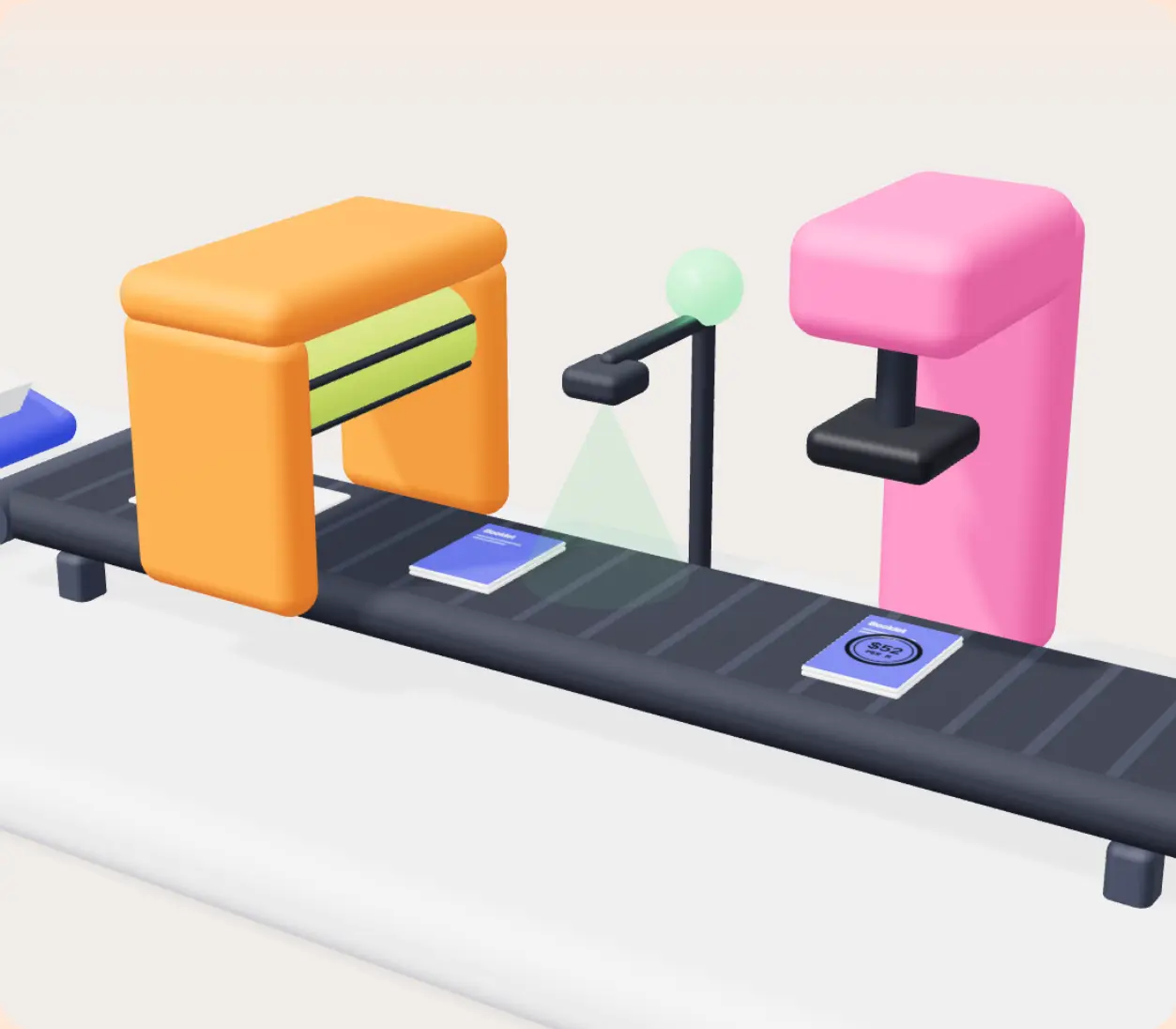
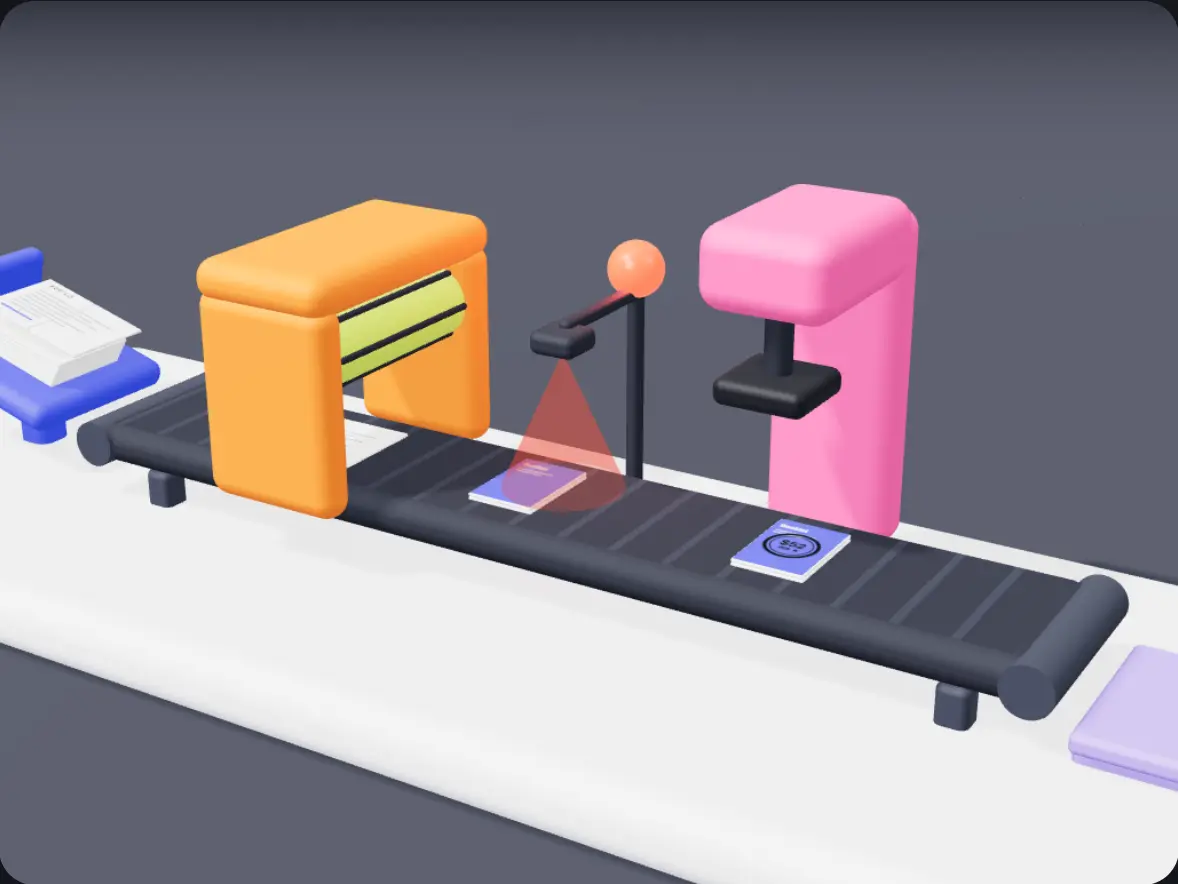
Watch the record. It gets created once — by an email — and every document after that is the same record wearing different clothes. People review it, correct it, approve it. Nobody retypes it.

  1. OP 10

    RFQ received

    From: megan@cascadeprintco.com

    Tue 9:14 AM

    Hi — can you quote 10,000 booklets for us?

    16 pages self-cover, 8.5×5.5, saddle stitch. We'd deliver flat sheets to you 6/19, need them back by 6/26.

    — Megan

    An RFQ arrives the way RFQs actually arrive: a loose email. This is the last time a human touches raw text.

  2. OP 20

    Quote drafted

    Intake — parsed from RFQ

    Draft
    QTY10,000
    SPEC16pp self-cover · 8.5 × 5.5
    BINDSaddle stitch
    IN / OUT6/19 → 6/26

    Prior work: ran a similar booklet for Cascade 14 months ago — quoted $52.00/M, won the job.

    The spine reads the email, extracts the specs, and pulls what the shop already knows about this customer and this kind of work. The estimator reviews; the estimator doesn't retype.

  3. OP 30

    Quote sent

    QUOTATION

    № 2606-0142-Q

    QTY PRICE TOTAL
    7,500$55.00/M$412.50
    10,000$52.00/M$520.00
    12,500$50.00/M$625.00

    Terms: Net 30 · Quote valid 30 days

    Three tiers, priced with history instead of vibes, out the door the same morning.

  4. OP 40

    Won → job

    JOB TICKET

    № 2606-0142

    CUSTCascade Print Co.
    QTY10,000 + overs
    DUE6/26

    ☒ Cut

    ☒ Fold

    ☒ Saddle stitch

    ☐ Shrink wrap

    MATERIALS: customer-supplied flat sheets, dock 6/19

    Megan says yes. One keystroke promotes the quote — specs, ops, dates, and materials carry into the ticket. Reviewed once, retyped never.

  5. OP 50

    On the floor

    Run list — Bindery

    IN
    2606-0142 Cascade booklets 10,000 due out 6/25

    Stitcher · materials in 6/19 · ops: cut → fold → stitch

    The ticket lands on the run list with dates, materials, and ops already attached — the scheduler still sets priority. The floor sees a board, not paperwork, and when materials hit the dock the row turns green.

  6. OP 60

    Shipped

    2606-0142 — Cascade booklets

    10,000 + 240 overs · out 6/25 · one day early

    Shipped

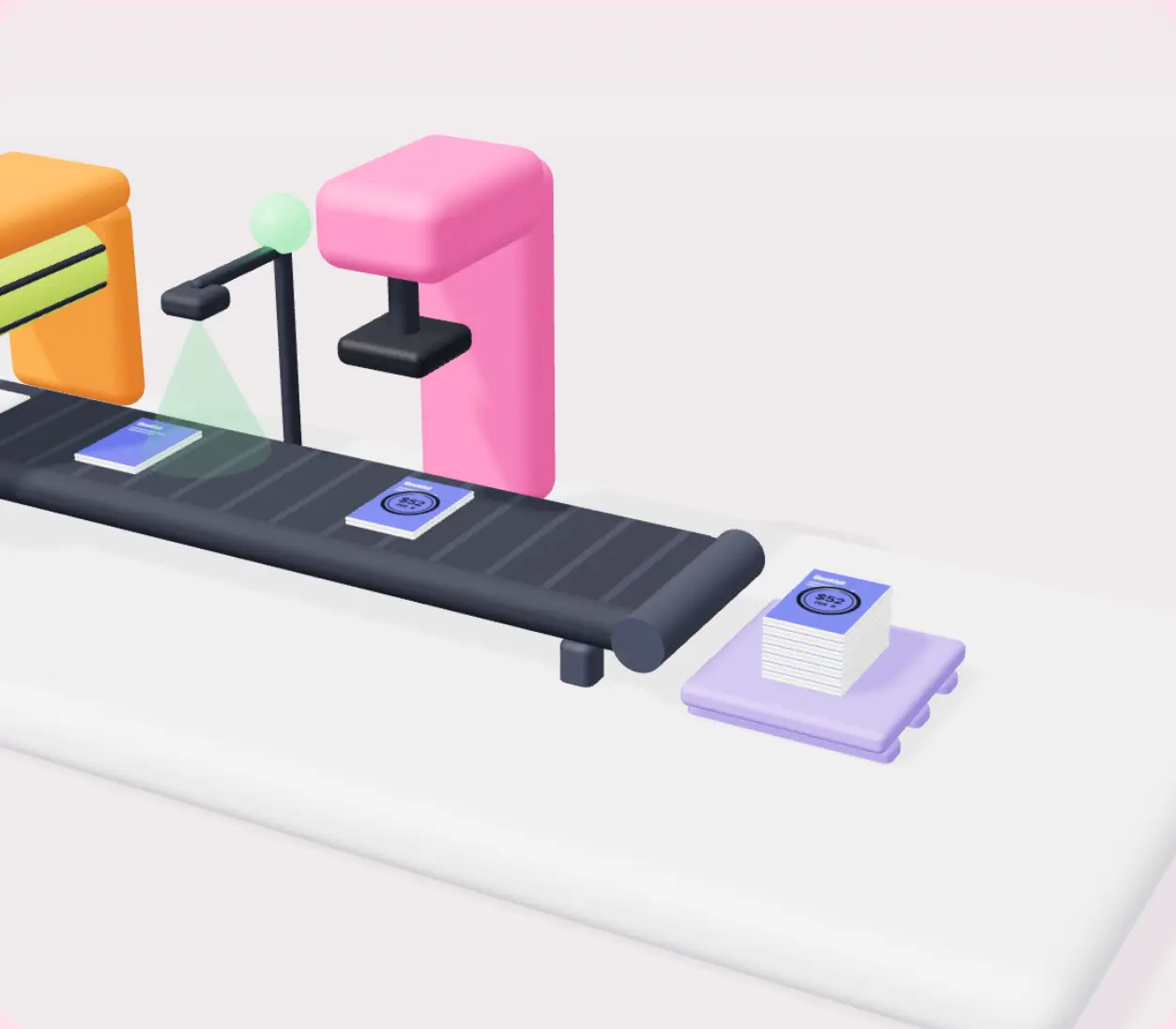
    Out the door. In most shops, this is where the job's story ends — and where its numbers get lost.

  7. OP 70

    Costed

    COST REPORT

    № 2606-0142

    QUOTED$520.00
    ACTUAL — LABOR$287.10
    ACTUAL — MATERIALS$74.30
    MARGIN $158.60  ·  30.5%

    Cost actuals import from accounting and land on the job that earned them. The loop closes: not just did we ship it, but did we make money.

  8. OP 80

    The next quote knows

    Six months later — new RFQ from Cascade

    Last run 2606-0142: quoted $52.00/M, cost $36.14/M, margin 30.5%, shipped a day early.

    The draft opens with the whole history already on the page. That's the spine: what the floor learned, the next quote knows.

Why "closed loop" matters

Most shop software is an open loop.

Quoting tools quote. Schedulers schedule. Accounting counts — after the fact, in a different system, against different records. The knowledge your shop earns on every job leaks out at each seam.

Plyworks runs the whole loop on one record, so the expensive part — what this work actually costs you — flows back into the next quote instead of evaporating.

QUOTESCHEDULEPRODUCESHIPCOST ONE RECORD actuals return

The part that doesn't walk out the door

Your best estimator's instinct, finally written down.

In a small shop, pricing lives in one person's head. They know this customer always runs late, that this kind of job needs extra trim, what you can actually charge before you lose the bid. When they retire, it walks out the door with them — and the next person relearns it the expensive way, one underpriced job at a time.

Plyworks writes it down as the work happens. Every quote, every actual cost, every margin, attached to the job that earned it. The next estimator opens a new RFQ and the history is already on the page:

Six months later — same customer, new RFQ

LAST RUN QUOTED$52.00/M
ACTUAL COST$36.14/M
MARGIN30.5%
DELIVERYshipped one day early

The next estimator inherits what the last one learned. So does the next shop manager. That's the asset most small manufacturers never get to keep.

Not a prototype's seed data — a working shop's ledger

102,962

Quotes in the ledger

78,544

Jobs shipped

1,146

Customers served

1992

Records since

Counts pulled from Puget Bindery's production records: quoted jobs, shipped jobs, unique customers, earliest record on file. This page was built from the live database on July 11, 2026.  One shop runs this today. We're taking five more.

What's in the spine

Five modules. One record. Honest labels.

Quoting + AI intake

Running today

RFQs parse straight into draft quotes, with what you charged last time sitting next to the price field.

Production floor

Running today

Run list, station queues, and a board the floor actually touches — on the machine, on a phone.

Job costing

Running today

Cost reports import from accounting and land on the job that earned them — material, labor, margin per job, not per year.

Timekeeping

In development

Direct floor time capture, so labor lands on the job without the accounting round-trip.

Pricing intelligence

On the bench

Planned: win rates by price and cost drift by material, once enough closed-loop data exists to be honest about it.

"Running today" means running today — inside our own bindery, on real jobs. The rest ships when it's earned the stamp.

Pilot application

Five pilot slots. Taken seriously.

We start from your real quotes and one workflow — no canned demo. Plyworks runs alongside your current systems. Nothing gets ripped out to try it.

PILOT APPLICATION

Job ticket

Pilot scope — what to expect

  • · We start from your quote history and accounting exports, and build around one real workflow.
  • · Plyworks runs alongside your current systems — nothing gets ripped out to try it.
  • · Expect close founder involvement; the product is hardening outside our own floor and that's the point.
  • · Scope, timeline, and cost get set together in the first working session.

Five pilot slots, taken seriously.